Every year, thousands of people search for the best ayahuasca retreat in the world — and the top of the search results is almost always paid placement, affiliate content, or a directory listing. This page is different. It is an honest, differentiated ranking of the top 10 ayahuasca retreats we consider worth naming, based on the same safety and integration criteria we apply to our own facility.
We publish this list knowing our own facility is on it. We have tried to be transparent about that, and to describe every other center on its own terms. If a competitor's program is stronger than ours on a specific dimension — a longer traditional dieta, a specific master-plant lineage, a lower price point — we say so. Our own ayahuasca retreat program is one option among several credible ones.
What Ayahuasca Actually Is
Ayahuasca is a traditional Amazonian plant medicine brewed from Banisteriopsis caapi vine combined with Psychotria viridis or a similar DMT-containing plant. The caapi vine provides harmala alkaloids — reversible monoamine oxidase inhibitors (MAOIs) — that make the DMT orally active. Pharmacologically the brew is a serotonergic psychedelic with meaningful cardiovascular and gastrointestinal effects, and its interaction profile with modern medications is substantial and well-documented in the pharmacology literature.1
In traditional and increasingly in clinical contexts, ayahuasca is used to address depression, anxiety, PTSD, complex trauma, and substance-use disorders. Systematic reviews of the current human literature suggest a favorable safety profile when it is administered in properly screened, structured settings — and a meaningfully worse safety profile when it is not.2 The rest of this article is essentially about the difference between those two settings.
The Criteria We Used to Rank These Retreats
Before naming any center, we want the criteria in the open. A retreat earns a place on this list on the basis of the following, in roughly this order of importance:
Medical Supervision
A licensed physician on-site for every ceremony, documented emergency protocols, and pre-arrival medical intake covering medication history, cardiac history and psychiatric history. Ayahuasca is not a wellness beverage. Serotonin syndrome from unrecognized SSRI or SNRI interaction is a recognized cause of ayahuasca-related medical emergencies.3
Participant Screening
Serious centers turn people away. Contraindications include personal or family history of psychosis or schizophrenia, uncontrolled cardiovascular disease, active use of MAOI-interacting medications, pregnancy, and certain psychiatric conditions. A retreat that accepts every applicant is a retreat that is not screening.
Small Group Size
Small groups (generally under 10 participants per ceremony) allow facilitators to observe every participant individually and respond quickly if a difficult experience escalates. Group ceremonies of 20-30 people dilute facilitator attention and lengthen the time it takes for staff to recognize that someone is in trouble.
Pre-Ceremony Dieta and Medication Washout
The traditional dieta — a period of restricted food and abstinence before ceremony — is not superstition. It reduces the risk of tyramine reactions with the MAOIs in ayahuasca and prepares the body physiologically. More importantly, participants on serotonergic medications need a properly timed, medically supervised taper and washout well before their first ceremony. This is a hard requirement, not a preference.4
Integration Support
The ceremony itself is the smallest part of a retreat. Structured integration — scheduled sessions with trained integration guides, written materials, and defined post-retreat contact — is what determines whether the experience produces lasting change or fades into a story you tell at dinner parties. Retreats that end at the exit door are incomplete by design.
Complementary Holistic Therapies
Yoga, breathwork, bodywork, sound therapy, and nutritional support are not decorative. They regulate the nervous system before and after ceremony, support sleep and integration, and reduce the load on the ceremony itself to do all of the psychological work.
Top 10 Ayahuasca Retreats in the World
The following ten centers are ranked using the criteria above. Rankings reflect our editorial judgment based on publicly available information about each center's safety infrastructure, medical protocols, and integration model at the time of writing. We encourage every reader to independently verify what each center offers before booking.
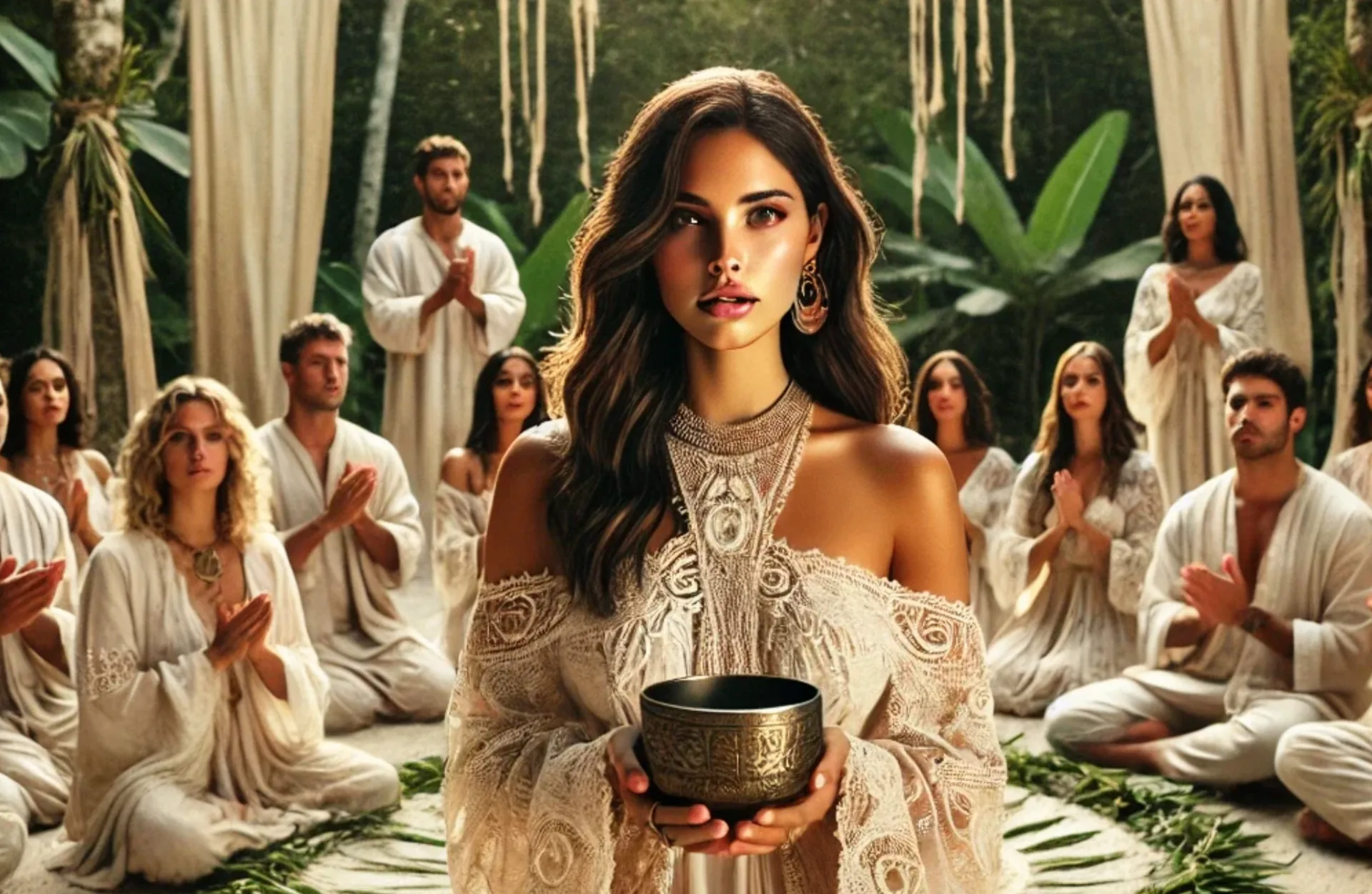
1. Sanctuary Tulum — Tulum, Mexico
Sanctuary Tulum is a licensed medical facility on the Riviera Maya, operating under Mexican federal health authority oversight, with a physician present at every ceremony. Programs run 4, 8 and 12+ weeks and are built for participants who need a medically supervised setting — including those who need to taper off SSRIs, SNRIs, benzodiazepines or opioids before ceremony work can safely begin. Small ceremonies, private oceanfront accommodations, and structured integration built into the daily schedule.
2. Holistic Sanctuary — Baja California, Mexico
The sister facility to Sanctuary Tulum, Holistic Sanctuary in Baja California is the original licensed oceanfront healing center founded by Johnny Tabaie. It combines the same medically supervised ayahuasca ceremony model with a broader set of regenerative therapies. For clients who prefer the Pacific coast, the drier climate of Baja, or a west-coast US travel path, this is the same clinical framework in a different location.
3. Spirit Vine Ayahuasca Retreat Center — Bahia, Brazil
Spirit Vine, in the tropical hills of southern Bahia, is one of the longest-running non-traditional retreats in Brazil and is well regarded for its focus on preparation and integration. Programs emphasize personal growth work alongside ceremony, and the small-group format has a strong reputation. Brazil's legal framework recognizes traditional ayahuasca use, which gives Spirit Vine clear legal footing.
4. Arkana Spiritual Center — Iquitos, Peru
Arkana is a well-known Peruvian retreat with programs incorporating traditional master plants, curanderos from indigenous lineages, and integration work. It is a strong choice for participants who want a more traditional Amazonian format with recognized lineage. As with any Amazon-based center, participants with serious medical or psychiatric complexity need to weigh the tradeoff between traditional depth and medical infrastructure.
5. Behold Retreats — Mexico
Behold operates a curated set of psychedelic retreats — including ayahuasca — with a strong emphasis on preparation coaching and integration. It is well-suited to executives and professionals looking for a polished experience with structured pre-work. Screening rigor and physician staffing vary by program, so participants should verify what is included in the specific ayahuasca retreat they are considering.
6. Nimea Kaya Healing Center — Peru
Nimea Kaya is a small jungle center outside Pucallpa focused on traditional Shipibo-lineage ceremony work with master plants and dieta. It is closer to the traditional end of the spectrum, with smaller groups and a slower pace. A good option for participants who want traditional ceremony work in the Peruvian Amazon without a large commercialized environment.
7. Temple of the Way of Light — Peru
Temple of the Way of Light works with female Shipibo curanderas and is one of the more recognized names in the traditional-lineage Peruvian retreat category. Their programs incorporate icaros, dieta, and integration support. It is a well-established option in the traditional format, with a well-documented safety and screening approach relative to smaller unlicensed operations in the region.
8. Ayahuasca Foundation — Iquitos, Peru
The Ayahuasca Foundation offers longer-format, education-oriented programs — including apprenticeship-style dietas — for participants who want deeper immersion into the Amazonian tradition rather than a short retreat. It is not a fit for medical-complexity cases, but for participants specifically drawn to traditional learning, it is one of the more serious options.
9. Soltara Healing Center — Costa Rica
Soltara operates on the Pacific coast of Costa Rica and works with Shipibo-lineage healers in a coastal setting rather than deep jungle. Costa Rica's legal treatment of traditional ayahuasca ceremony gives the center clear legal footing. Well-regarded for the quality of its integration support and the caliber of its facilitator team.
10. Retreat Guru (Directory)
Retreat Guru is not a retreat — it is a directory that aggregates listings across dozens of centers. We include it here specifically because it can be a useful research starting point for retreats not on our shortlist, particularly for participants who want to compare price points, geographies and formats side by side. As with any directory, listings are self-submitted, so use it for discovery, not for vetting.
A Note on What Sets Sanctuary Tulum Apart
Because our own facility is on this list, a brief word on where we differ — framed factually. Our protocol is built around medically supervised tapering of SSRIs, SNRIs, benzodiazepines and opioid medications before ceremony work begins. Antidepressant discontinuation is a well-recognized clinical event with a defined symptom profile, and tapering these medications on a poorly planned timeline is one of the most common reasons participants either have a bad ceremony experience or cannot participate at all.5 Benzodiazepine withdrawal in particular is a medical event that has to be handled on its own clinical timeline, not compressed to fit a retreat schedule.6
Alongside ceremony work, our program includes a Brain Repair IV protocol and complementary IV nutrition therapies designed to support the physiological side of recovery — sleep, nervous-system regulation, and nutritional deficits that are common in participants coming off long-term psychiatric medication. These are supportive, not curative, and we don't present them as a replacement for the ceremony work or the integration work. They are one component of a longer program.
How to Choose Among These 10 Retreats
Roughly speaking: if you are on psychiatric medications, if you have significant medical complexity, or if you need medically supervised tapering before ceremony, a licensed medical facility is the right category — that narrows the list considerably. If you are physically and psychiatrically healthy and drawn primarily to the traditional lineage work, a well-established Peruvian or Costa Rican center may be a better fit than a clinical setting.
If you want the most rigorous set of quality criteria to evaluate any of these centers on their own terms, our companion piece — The 10 Factors That Determine Ayahuasca Retreat Quality — walks through each criterion in depth. That guide is the "how to evaluate" companion to this "who to consider" list. Read them together: the factors guide teaches you the framework, and this ranked list applies that framework to specific, named real-world options. Reasonable people can and do disagree about how each individual center should rank on any given dimension, and we would rather readers argue with our methodology in public than take a ranked list at face value.
Geography, Cost and Travel Considerations
For US-based participants, the Mexico-based options on this list — Sanctuary Tulum and Holistic Sanctuary — offer meaningful travel logistics advantages: a short domestic-adjacent flight, no yellow fever vaccination requirement, and a clinical infrastructure that is closer in style to a US medical facility than a jungle lodge. Cost ranges vary substantially, but medically supervised programs generally start around $15,000 and can extend into the mid five figures depending on program length and complexity of care. For a Mexico-specific comparison across licensed and unlicensed operations, our best ayahuasca retreat in Mexico guide breaks the category down further.
Peru- and Brazil-based programs sit at the lower end of the price range and offer the deepest access to traditional lineage curanderos, master plants and multi-week dietas, but require longer travel, more logistical planning and a clearer-eyed assessment of what medical support is or is not available in the specific region. Costa Rica sits between the two — closer travel from the US than the Amazon, favorable legal framework, and a more polished Pacific-coast environment — but with less emphasis on medical supervision than the Mexican licensed model. None of these categories is objectively better than the others; they answer different questions.
Independent of geography, participants who are new to psychedelic work benefit from grounding themselves in the medicine before they book anything. A short primer on what ayahuasca is, what it does, and what the current research says is a reasonable first step before comparing specific programs. Reading widely — including material that is critical of the ayahuasca ecosystem — is more useful than reading a single retreat's marketing copy, and any center worth booking will encourage that kind of independent research rather than push a hard-sell timeline.
Finally, remember that a retreat is a container, not a cure. The best programs in the world will not compensate for a poor personal fit, unresolved medical issues, or unrealistic expectations about what a handful of ceremonies can accomplish. Serious ayahuasca work is measured in months and years of integration, not in the days of the retreat itself. Every center on this list, ours included, works best for participants who arrive with clear intentions, honest medical disclosure, and a willingness to do the slower work that follows once the ceremonies end and daily life resumes.

Red Flags to Watch For at Any Retreat
Independent of which center you choose, walk away from any operation that shows any of the following: no pre-arrival medical intake, no physician available during ceremony, no written protocol for medication contraindications, no formal integration support, ceremonies with 20+ participants and one or two facilitators, or vague answers about who prepares the brew and where it comes from. Ayahuasca-related medical incidents in the public record are, with rare exception, associated with settings that failed on several of these dimensions simultaneously.7
Also be wary of any retreat that markets itself with absolute claims — "the only," "guaranteed cure," "100% success rate." These are not honest descriptions of psychedelic-assisted work. Reputable centers describe outcomes probabilistically and are transparent about limitations, contraindications and cases where the work is not appropriate. Long-term follow-up studies of experienced ayahuasca users have found generally favorable patterns of psychological well-being, but no serious researcher or clinician frames results as guaranteed.8
Bottom Line
There is no single "best" ayahuasca retreat in the world — only the best retreat for a specific person, given their medical history, their goals, and their tolerance for different environments. This list is our attempt at an honest starting point. Use the criteria section above as your evaluation framework, treat the ranked list as one input among several, and be skeptical of any source — including this one — that presents its own facility as the automatic answer.
For readers who want more depth on any specific aspect of retreat selection, our editorial team maintains a full library of resources on ayahuasca, ibogaine and licensed medical retreat models, and every article is written or reviewed by our clinical team.
References
- Callaway JC, McKenna DJ, Grob CS, et al. Pharmacokinetics of Hoasca alkaloids in healthy humans. J Ethnopharmacol. 1999;65(3):243-256.
- dos Santos RG, Bouso JC, Hallak JEC. Ayahuasca, dimethyltryptamine, and psychosis: a systematic review of human studies. Ther Adv Psychopharmacol. 2017;7(4):141-157.
- Boyer EW, Shannon M. The serotonin syndrome. N Engl J Med. 2005;352(11):1112-1120.
- Callaway JC, Grob CS. Ayahuasca preparations and serotonin reuptake inhibitors: a potential combination for severe adverse reactions. J Psychoactive Drugs. 1998;30(4):367-369.
- Warner CH, Bobo W, Warner C, Reid S, Rachal J. Antidepressant discontinuation syndrome. Am Fam Physician. 2006;74(3):449-456.
- Lader M. Benzodiazepines revisited — will we ever learn? Addiction. 2011;106(12):2086-2109.
- dos Santos RG, Osório FL, Crippa JAS, et al. Antidepressive, anxiolytic, and antiaddictive effects of ayahuasca, psilocybin and lysergic acid diethylamide: a systematic review of clinical trials published in the last 25 years. Ther Adv Psychopharmacol. 2016;6(3):193-213.
- Halpern JH, Sherwood AR, Passie T, Blackwell KC, Ruttenber AJ. Evidence of health and psychological benefits from ayahuasca use. MedGenMed. 2008;10(3):74.