

Luxury Rehab: A Private, Holistic Approach to Addiction Recovery
The Sanctuary Tulum offers a refined luxury rehab experience for individuals seeking privacy, personalized care, and an elevated approach to addiction recovery. Our program is designed to move beyond institutional treatment models, combining medical support, therapeutic guidance, and holistic practices within a serene, high-end environment focused on long-term transformation.
A luxury rehab is not defined only by comfort, but by the depth of care, discretion, and individualized attention provided throughout the recovery journey.


What Is a Luxury Rehab?
A luxury rehab is a specialized addiction treatment facility that provides highly personalized care in a private and discreet setting.
Unlike traditional rehabilitation programs, luxury rehab centers focus on individualized treatment plans, low client-to-staff ratios, and a healing environment designed to reduce stress and support emotional balance.
The purpose of a luxury rehab is to address addiction from a comprehensive perspective, integrating clinical care, mental health support, and holistic therapies while offering an elevated experience that encourages focus, reflection, and sustainable recovery.

Luxury Rehab vs Traditional Rehab Programs
Choosing the right rehabilitation program requires understanding the key differences between a luxury rehab and a traditional rehab model. While both aim to support recovery, the structure, environment, and level of care vary significantly.
| Luxury Rehab | Traditional Rehab |
| Private accommodations | Shared rooms and facilities |
| Customized treatment plans | Standardized treatment programs |
| Discreet and confidential care | Limited privacy |
| Holistic and medical integration | Primarily clinical focus |
| Low client-to-staff ratio | High patient volume |
These differences allow luxury rehab programs to offer a more focused, individualized, and immersive recovery experience.
A Personalized Luxury Rehab Experience
Personalization is at the core of an effective luxury rehab program. Each treatment plan is carefully designed around the individual’s physical condition, emotional needs, personal history, and recovery goals.
Rather than following rigid protocols, luxury rehab programs adapt therapy, wellness practices, and daily routines to ensure that recovery remains flexible, relevant, and aligned with the individual’s progress throughout the healing process.
Holistic Healing in a Luxury Rehab Environment
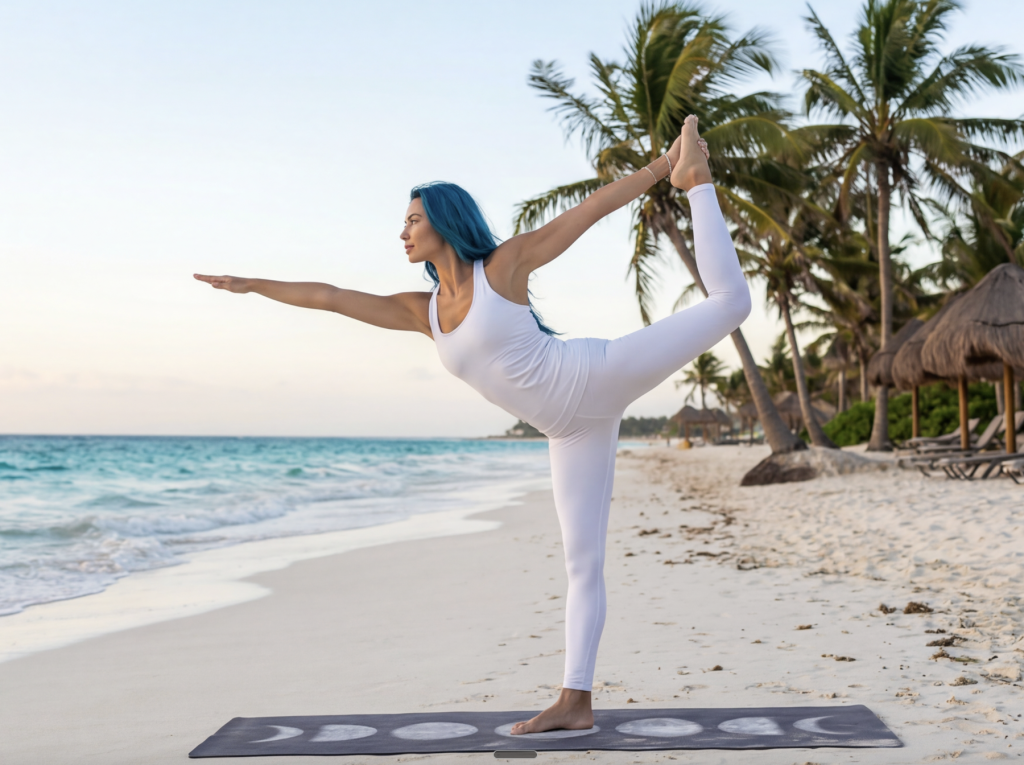
A defining feature of a modern luxury rehab is the integration of holistic healing practices alongside clinical care. Recovery extends beyond symptom management, addressing the mind–body connection and underlying emotional patterns associated with addiction.
Holistic therapies, mindfulness-based practices, and experiential healing methods are incorporated to support emotional regulation, stress reduction, and long-term behavioral change within a calm and supportive environment.

Who Is a Luxury Rehab Designed For?
A luxury rehab is designed for individuals who value privacy, discretion, and a high level of personalized care during their recovery journey. This type of program is often chosen by professionals, entrepreneurs, and individuals with demanding lifestyles who require confidentiality and flexibility.
Luxury rehab programs are also well suited for those who have experienced relapse in the past or who seek a comprehensive, non-institutional approach to addiction recovery that addresses mental, emotional, and lifestyle factors simultaneously.
What Makes an Effective Luxury Rehab Program?
The effectiveness of a luxury rehab program lies in its ability to combine individualized clinical care with a carefully controlled healing environment. Personalized treatment plans allow therapy to evolve according to each individual’s progress, challenges, and long-term goals.
Equally important is the integration of medical oversight, therapeutic support, and mind–body practices within a stress-free setting. This comprehensive approach supports not only stabilization and detox, but also the development of sustainable habits that promote long-term recovery.
Healing in a Private and Exclusive Luxury Rehab Setting
Privacy plays a critical role in the recovery process. A luxury rehab offers a discreet and exclusive environment where individuals can step away from external pressures and fully focus on healing.
By removing distractions and minimizing external stressors, luxury rehab programs create the conditions necessary for deeper therapeutic work, self-reflection, and meaningful personal transformation.
Call The Sanctuary Tulum to Start your Healing
Call Now! +1-323-612-2024
Contact Us Today!
Fill out the form below to connect with us today!

FAQs
Q1: What is a luxury rehab?
A luxury rehab is a residential addiction treatment program that pairs clinical care with high-end accommodations, low client-to-staff ratios, privacy, and personalized programming — as opposed to conventional treatment centers, which are often large-scale facilities with 50 to 100+ beds, shared rooms, and standardized group-based programming. The defining features of genuine luxury rehab are not just amenities. They include individualized treatment plans rather than one-size-fits-all curricula, meaningful one-on-one clinical time instead of predominantly group sessions, medical staff availability around the clock, and an environment designed for restoration rather than institution-style management. Amenities like private suites, chef-prepared meals, and ocean or mountain settings matter — but they matter because chronic stress and institutional environments actively work against recovery, not because comfort is the product.
Q2: What is the difference between luxury rehab and standard rehab?
The differences run deeper than thread count. Standard rehab programs in the United States typically follow a 28- to 30-day model built around group therapy, behavioral modification, and 12-step facilitation, delivered in facilities that can feel clinical or institutional. Luxury programs differ in four structural ways: staff ratio (some maintain 1:1 or better, versus one counselor per 10–15 clients in standard facilities), treatment duration (longer stays that reflect how long neurological and psychological recovery actually takes), scope of modalities (access to therapies beyond talk-based programming), and privacy (private accommodations, discreet admissions, confidentiality protocols suited to executives and public figures). The most meaningful question isn’t whether a facility is luxurious — it’s whether the treatment model itself differs from the one offered at standard facilities, or whether it’s the same 12-step curriculum delivered in a nicer building.
Q3: Does luxury rehab work better than regular rehab?
Comfort alone doesn’t change outcomes — treatment model, duration, and depth of care do. What the research on addiction treatment consistently shows is that longer treatment duration correlates with better outcomes, that individualized care outperforms standardized programming, and that addressing root causes (trauma, neurological changes from substance use, co-occurring conditions) produces more durable results than behavior management alone. Luxury programs are better positioned to deliver those elements: they can afford longer stays, true individualization, and comprehensive medical work-ups. But a high price tag doesn’t guarantee any of that. Many expensive facilities deliver the same 30-day, group-based, 12-step model as standard rehabs with better food. When evaluating any luxury program, ask what specifically is different about the treatment itself — not the setting.
Q4: How much does luxury rehab cost?
Luxury residential treatment in the United States generally ranges from roughly $30,000 to over $100,000 per month, depending on location, staff ratio, program length, and included therapies. International luxury programs vary widely — some exceed US pricing, while others deliver more comprehensive care per dollar because of lower operating costs abroad. When comparing costs, the number that matters is not the monthly rate but what’s actually included: whether medical detox, psychiatric evaluation, all therapies, and aftercare are bundled or billed separately; whether “holistic” offerings are core clinical components or spa add-ons; and how much one-on-one professional time is included versus group programming. A $60,000 program with daily individualized medical and therapeutic care can represent far better value than a $40,000 program built on group sessions.
Q5: Does insurance cover luxury rehab?
Sometimes partially, rarely fully. Many US luxury facilities accept private insurance for portions of treatment — typically the clinically standard components like detox and residential care — while amenities and specialized therapies are private-pay. International programs and programs using treatment modalities outside the US standard of care are generally private-pay only. For high-net-worth individuals, this distinction often matters less than confidentiality: insurance claims create records, while private-pay treatment can be handled with complete discretion. Anyone weighing insurance coverage should also weigh what insurance-driven treatment means in practice — coverage typically dictates shorter stays and standardized programming, because insurers reimburse based on conventional utilization criteria rather than what an individual case actually requires.
Q6: What should I look for in a luxury rehab?
Seven things separate genuine programs from expensive marketing. First, medical staffing: licensed physicians and nurses on-site, not on-call. Second, staff-to-client ratio: ask for the actual number. Third, treatment duration: programs shorter than 30 days rarely allow enough time for neurological recovery, and serious programs offer 60- and 90-day options. Fourth, an actual differentiated treatment model — ask what they do that a standard facility doesn’t, and press past the amenity list. Fifth, detox protocols: how they medically manage withdrawal, particularly for benzodiazepines and alcohol, where unsupervised withdrawal can be life-threatening. Sixth, real aftercare and integration support, not a discharge packet. Seventh, transparency: verifiable staff credentials, clear pricing, and honest answers about what their program can and cannot do.
Q7: Why do people go abroad for luxury rehab?
Three reasons drive the growing number of Americans seeking treatment internationally. Privacy: treatment abroad creates no US insurance records and places physical distance between the client and their professional or social circles. Treatment scope: some evidence-supported and emerging modalities — including plant-medicine-assisted treatment such as ibogaine and ayahuasca, administered under medical supervision — are not legally available in the United States, and clients who want those options must travel to jurisdictions where they are legal and regulated. Value: facilities in destinations like Mexico can deliver higher staffing levels, longer stays, and broader medical services at costs comparable to or below US luxury programs. Proximity matters too — Tulum, for example, is a direct flight of a few hours from most major US cities, unlike treatment destinations in Europe or Asia.
Q8: Is luxury rehab in Mexico safe?
It depends entirely on the specific facility — the same answer that applies to US programs. Legitimate international programs operate with licensed physicians, registered nurses, medical-grade screening and monitoring equipment, established hospital relationships for emergencies, and verifiable operating licenses in their jurisdiction. Illegitimate ones exist in every country, including the United States. The safety questions worth asking any international facility: Which licensed physicians oversee treatment, and can you verify their credentials? What medical screening happens before admission — cardiac work-up, medication review, psychiatric evaluation? Who is physically present during medically sensitive phases like detox or plant-medicine sessions? What is the emergency protocol and how far is the nearest hospital? A facility that answers these specifically and verifiably is offering real medical care; one that deflects to photos of the property is selling a vacation.
Q9: What is holistic luxury rehab?
Holistic luxury rehab treats addiction as a condition of the whole person — brain chemistry, physical health, unresolved trauma, and life context — rather than only a behavioral problem to be managed. In practice, a genuinely holistic program integrates medical treatment (supervised detox, physician oversight, therapies aimed at repairing the neurological damage of long-term substance use), psychological work (trauma-focused therapy rather than only relapse-prevention scripting), and physical restoration (nutrition, sleep architecture, movement, and therapies like hyperbaric oxygen). The word “holistic” is heavily diluted in rehab marketing — at many facilities it means yoga classes added to a conventional program. The distinguishing question is whether the holistic elements are the clinical core of the treatment model or decoration around a standard curriculum.
Q10: Why do people relapse after luxury rehab?
Because most programs — luxury or otherwise — manage the symptoms of addiction without resolving what drives it. The conventional model teaches clients to identify triggers and apply coping strategies, which is behavior management: valuable, but it leaves the underlying machinery intact. The factors most associated with relapse are untreated trauma, unrepaired neurological changes from years of substance use, co-occurring conditions that were never properly diagnosed, and returning to the same environment with the same internal state that produced the addiction. Programs that produce durable recovery share common elements: enough time (60–90+ days rather than 28), treatment that addresses root causes rather than only behavior, physical and neurological restoration as clinical priorities, and structured integration support after residential treatment ends. Relapse is not evidence that the client failed — it is usually evidence that the treatment model was incomplete.
Blog
Sanctuary Tulum Blog
-
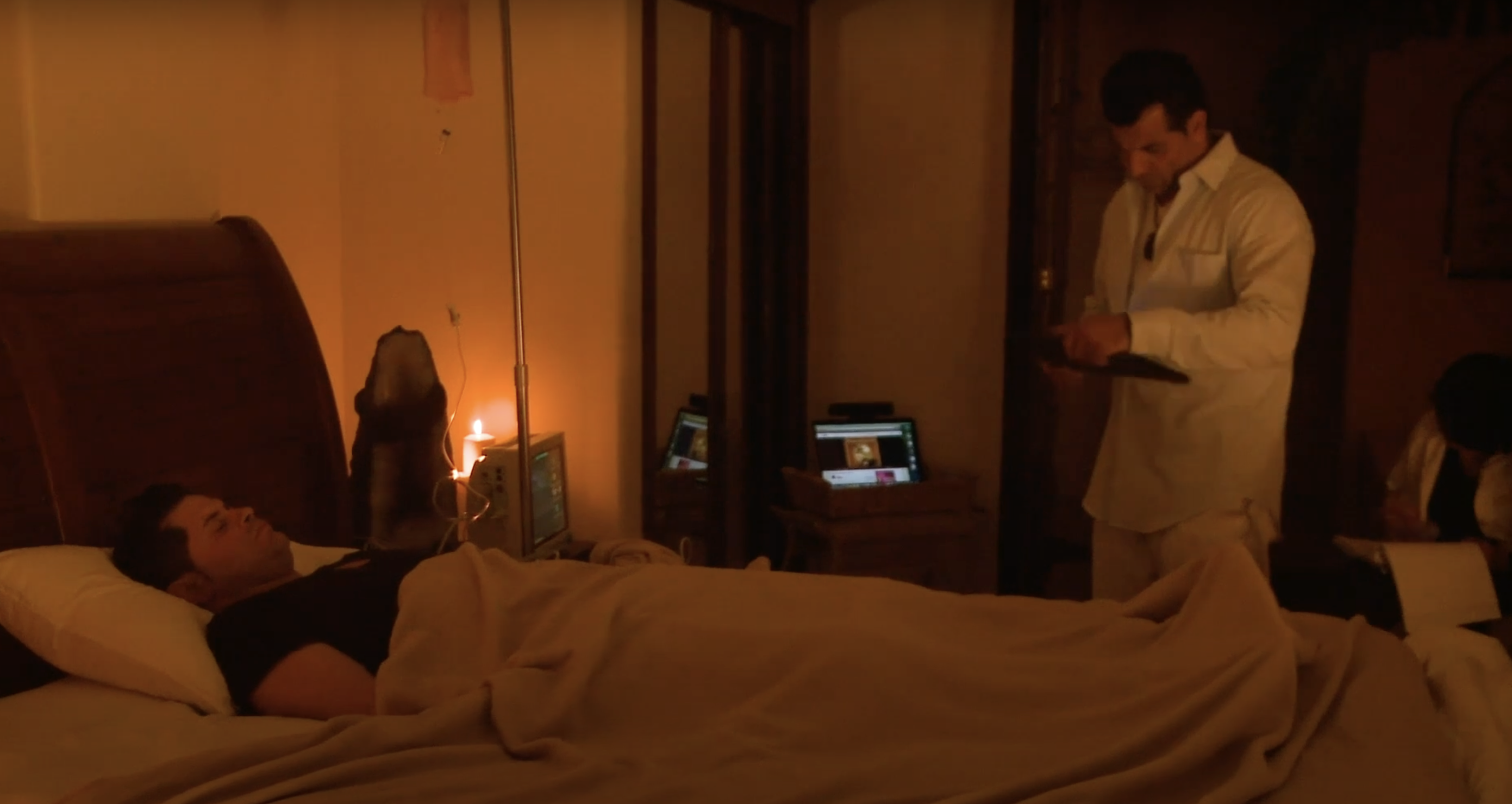
Luxury Ibogaine Treatment Therapy at Sanctuary Tulum Mexico
Transformative Power of Luxury Ibogaine Treatment Therapy in Mexico Ibogaine treatment has emerged as one of the most effective approaches for individuals seeking deep healing from addiction. At Sanctuary Tulum, we offer a luxury ibogaine treatment experience that combines scientific precision, holistic care, and bespoke accommodations. Our Luxury Ibogaine Treatment Therapy Mexico programs are designed…
-

Why Privacy Matters in Addiction Recovery
Why Privacy Matters in Addiction Recovery In the landscape of luxury rehabs, privacy is not a secondary feature — it is one of the main conditions that makes real recovery possible. At centers such as Sanctuary Tulum, privacy is not treated as discretion alone, but as a therapeutic framework that supports emotional safety, trust, and…
-

Holistic Approaches Used in Luxury Rehab Programs
Holistic Approaches Used in Luxury Rehab Programs In today’s most advanced luxury rehabs, recovery is no longer treated as a purely clinical process. Addiction is understood as a condition that affects the mind, body, and emotional balance — which is why holistic approaches have become a defining element of high-end treatment programs. At places like…